
Our Research
The Cambridge Plastics Centre (CirPlas) takes a multi-disciplinary approach to reducing plastic waste. This means sharing our work with academics in the same subject area and peers from other disciplines. This involves communicating our research in different formats, grouped together on this page according to:
- Research themes - Overarching topics that drive our work
- Featured articles - Peer reviewed works for subject specialists
- Research videos - Accessible to scholars working across disciplines
Research themes
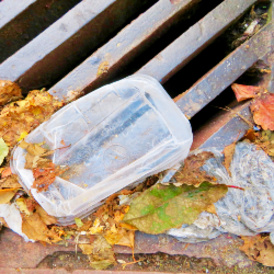 | Sustainable materialsResearch lead: Prof Paul Dupree We know that the strength and plasticity of plant cells are determined by the components of the cell wall. What is less known is how these structures found in nature can be used to develop sustainable materials. Researchers looked at birch wood cells to develop films that could replace non-recyclable plastic food wrap. This opens up possibilities for the elimination of plastic packaging that we currently see blocking drains and floating in rivers. For the latest in plant cell wall research follow Dupree Lab. |
 | Recycling processesResearch lead: Prof Erwin Reisner There are different ways to recycle plastic waste. One involves chemically treating plastic waste to extract useful elements contained within it. Researchers have found a way to release hydrogen from plastic waste which could be used to fuel trains and heat homes. This process is called photo reforming, which involves mimicking the power of sunlight using artificial photosynthesis. Follow the Resiner Lab for the latest renewable fuel research. Watch an introduction to solar fuels here. |
 | Tracking the flow of plasticResearch lead: Dr Jonathan Cullen Keeping track of plastics across the UK is difficult. Many products are composed of multiple types or have plastics as one part of the product, along with other materials. Researchers have found ways to collate information to give a clearer picture of where UK plastics come from and the distribution of plastics across different categories of use. This information helps to focus efforts on plastics that are particularly difficult to recycle. Read more here. |
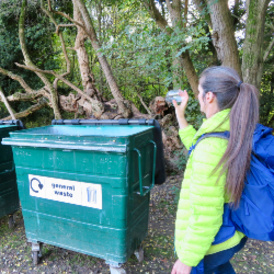 | Consumer plastic use and waste managementResearch lead: Dr Brigitte Steger Having the technology to eliminate plastic waste is one thing. Getting the public to change how they think and feel about altering their habits is another. Social scientists investigated what plastic means in different cultures. By understanding what happens in other countries, findings can help us reflect on the options available for reducing plastic waste in the UK. By understanding what happens in other countries, findings can help reflect on the options available for reducing plastic waste in the UK. Find out more. |
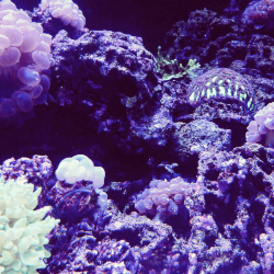 | Biological processes and plastic wasteResearch lead: Dr David Aldridge Plastics are often thought about in terms of the harm they cause when microplastic is ingested by sea life. But there is a possibility that ‘filter feeders’ could be a way to monitor and reduce micro-plastics in degraded waterbodies. Some bivalve molluscs (such as mussels and clams) can filter 2 litres of water a day efficiently. This work is part of a collaboration with Nanjing University, China. Read more about mussels and human health here. For the latest research follow the Aquatic Ecology Group. |
Featured articles
 | Solar-driven reforming of solid waste for a sustainable futureTheme: Recycling processes |
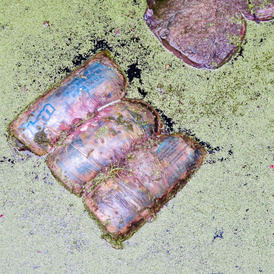 | Plastic pollution and plastics as pollution in Mumbai, IndiaTheme: Consumer plastic use and waste management |
Research videos
What can we do with all this plastic?
Theme: Plastic management
The Erwin Reisner Lab is developing new processes to tackle plastic waste. One of the multi-pronged approach is 'Photoreforming', whereby sunlight is used to break down plastic waste, forming green fuel like hydrogen and other useful chemicals in a sustainable process.
Please allow social and marketing cookies to show embedded content.
The ‘P’ word: Plastics in the UK
Theme: Tracking plastic
Jonathan Cullen explains why not all plastics can be treated the same and that urgent changes are needed to decrease plastics consumption across the UK.
Please allow social and marketing cookies to show embedded content.
Download the full research report here.
Sustainability, circular economy and impact investment
Theme: Consumer plastic use and waste management
Khaled Soufani explains how the circular economy is a different way to approach sustainable consumption.
Please allow social and marketing cookies to show embedded content.
Read the review on Circular Business Models in the Journal for Cleaner Production.
Read about circular economy research here.
What really makes a difference? The role of resource efficiency in mitigating climate change
Theme: Tracking plastic
Jonathan Cullen presents research from the Resource Efficiency Collective to discuss how efficient we are at transforming resources into useful things.
Please allow social and marketing cookies to show embedded content.
Read Resource Efficiency Collective publications here.